Stable Foundations for Garages and Outbuildings
Concrete slab installation in Chittenden County, Castleton, and across Vermont, for structures that require long-term support and durability.
A garage, shed, or workshop in Chittenden County, Castleton, and across Vermont, needs a concrete slab that can support weight, resist ground movement, and hold up through freeze-thaw cycles without cracking or settling. If the base is not prepared correctly or the concrete is poured without reinforcement, the slab will develop low spots, cracks, or heaving within a few seasons.
John Trombley Construction provides concrete slab installation for garages, sheds, and structures, with proper base preparation to prevent cracking and settling. Each slab is poured to support long-term structural use and is suitable for residential and light commercial applications. The work is designed to handle local soil and weather conditions and supports future construction needs.
If you are planning to build a garage or outbuilding in Chittenden County, Castleton, and across Vermont, and need a slab poured correctly from the start, contact John Trombley Construction to schedule site evaluation and installation.
How a Slab Is Prepared and Poured
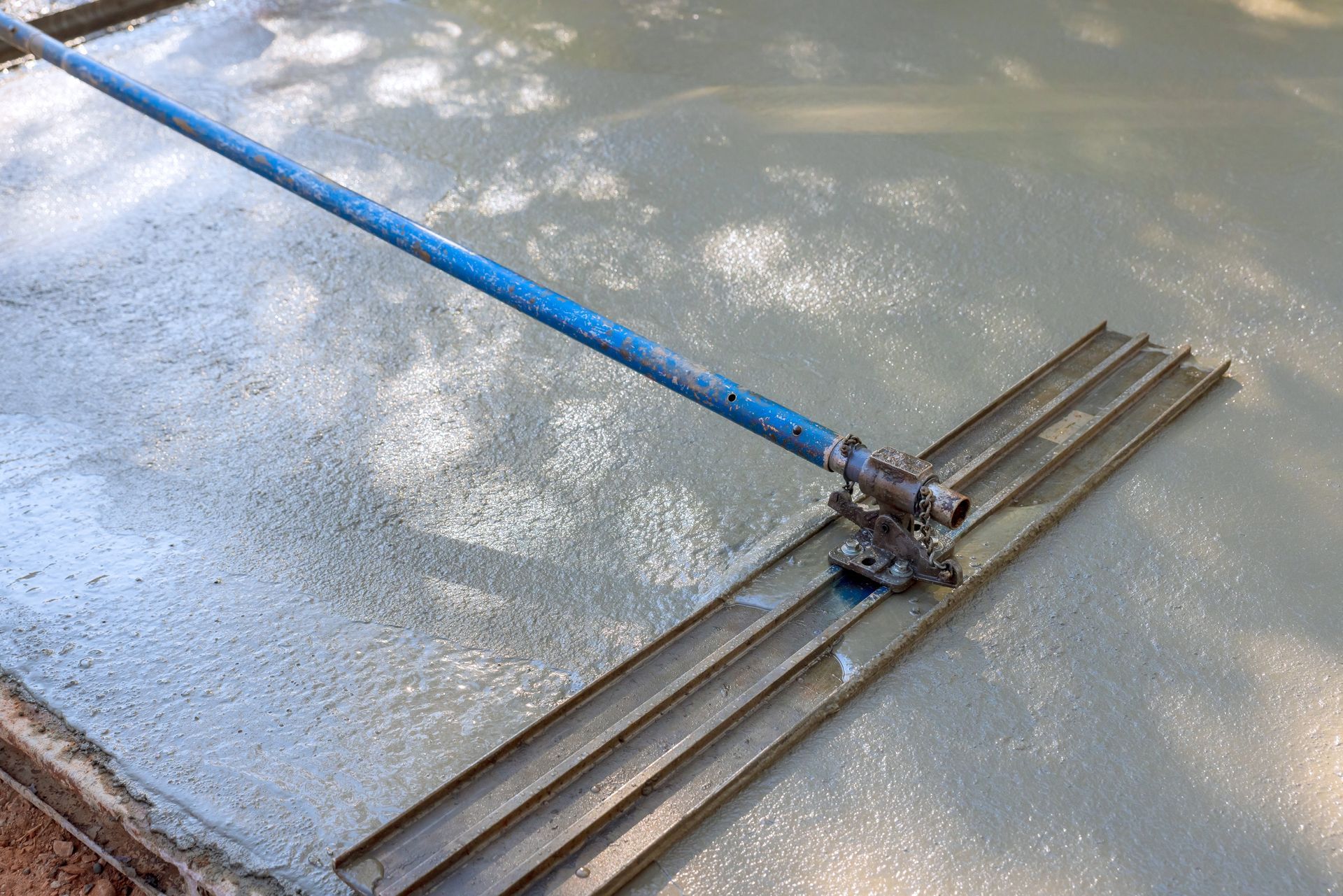
Concrete slab installation in Castleton begins with excavation to below frost depth, followed by placement of a compacted gravel base that drains water away from the slab. John Trombley Construction sets forms to the correct dimensions, installs rebar or wire mesh for reinforcement, and pours concrete mixed to support the intended load.
After the slab cures, you will have a level, stable surface that supports the weight of a vehicle, machinery, or building without settling. The slab will resist cracking from frost heave and provide a clean, solid base for framing or equipment placement.
The service includes site excavation, gravel base installation, formwork, reinforcement, pouring, and finishing. John Trombley Construction does not handle building framing or electrical work, but the slab is prepared to meet building code requirements for future construction. The surface is cured slowly to prevent surface cracking, and control joints are cut to manage shrinkage during the hardening process.
Homeowners want to know how thick the slab should be, how long it will take to install, and what site conditions affect the work.
What to know before pouring a slab
If you need a concrete slab poured in Castleton for a garage, shed, or other structure, John Trombley Construction can handle the site preparation, reinforcement, and pouring to ensure the slab performs for years. Get in touch to discuss your project and schedule the work.