
Prevent Ice and Reduce Slip Hazards
De-icing services in Chittenden County, Castleton, and across Vermont, for driveways, parking lots, and walkways.
After snow is plowed in Lake George, Glens Falls, and Warrensburg, NY, the pavement often refreezes into a slick layer of ice that makes walking and driving dangerous, especially overnight when temperatures drop. Salting breaks down that ice and prevents new ice from bonding to the surface, which keeps driveways, parking areas, and walkways safer between storms.
John Trombley Construction applies salt to residential and commercial properties after plowing or as part of ongoing winter maintenance plans. The treatment reduces slip-and-fall risks for pedestrians and improves traction for vehicles, which is especially important on commercial sites where foot traffic is constant and liability is a concern.
If your property in Chittenden County, Castleton, or across Vermont, needs de-icing to stay safe during freezing conditions, get in touch to discuss salting as part of your winter plan.
How Salt Works and Where It's Applied
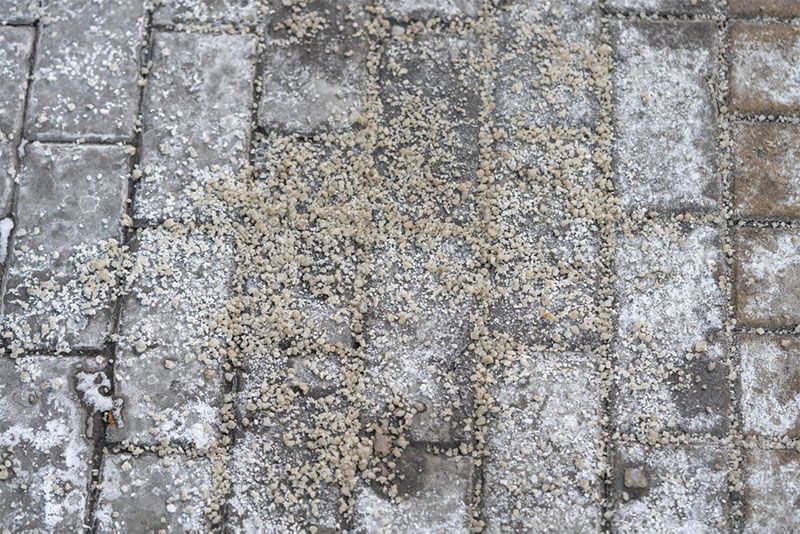
Salting in Lake George, Glens Falls, Warrensburg, NY, Chittenden County, Castleton, and across Vermont, involves spreading granular de-icer across plowed surfaces using a truck-mounted or walk-behind spreader, with higher concentrations applied to high-traffic zones like entryways, crosswalks, and loading areas. The salt lowers the freezing point of water, which melts existing ice and prevents moisture from refreezing into a solid sheet.
Once the salt takes effect, you'll notice that ice begins to break apart and pavement becomes wet rather than glossy and slick. Walkways feel grippier underfoot, and tire traction improves noticeably, especially on slopes or turns where vehicles are more likely to slide.
Salt is most effective when temperatures stay above fifteen degrees Fahrenheit, and it works faster when applied before ice has a chance to harden. Properties with heavy use or legal exposure often include salting in every service visit during winter months to maintain consistent safety.
Property managers and homeowners in Chittenden County, Castleton, and across Vermont, often ask how much salt is needed, when it should be applied, and whether it can damage pavement or landscaping.
Typical Questions About De-Icing
If your property in Castleton needs de-icing to reduce slip hazards and keep surfaces safe after plowing, John Trombley Construction can apply salt as part of a winter maintenance plan or after individual snow events. Contact us to discuss service timing and site needs.