Hold Back Soil and Keep Ground Level
Retaining wall construction in Chittenden County, Castleton, and across Vermont, for sloped properties and erosion control.
If your property in Castleton sits on a slope or shows signs of soil movement after heavy rain, a retaining wall can stabilize the grade and create usable outdoor space. Chittenden County and Castleton's terrain and seasonal freeze-thaw cycles put constant pressure on unsupported slopes, which often leads to washouts or uneven ground that limits how you can use your yard.
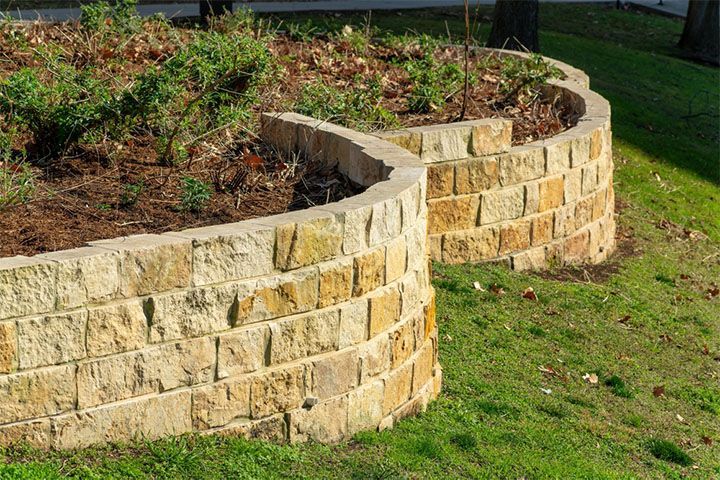
A retaining wall is built to withstand the lateral force of soil pressing against it, especially when moisture from snowmelt or spring runoff saturates the ground. John Trombley Construction designs and installs walls that handle soil pressure and drainage, using materials selected for long-term performance in conditions where freeze and thaw cycles repeat every winter. The structure creates a level surface above or below the wall, which can support landscaping, pathways, or driveways that would otherwise be difficult to maintain on a slope.
If you need to control erosion or make better use of sloped ground in Chittenden County, Castleton, and across Vermont, reach out to discuss what a retaining wall can do for your property.
How the Wall Is Built and What It Does
Building a retaining wall in Chittenden County, Castleton, and across Vermont, begins with excavation to reach stable ground below the frost line, followed by placement of a compacted gravel base that allows water to drain away from the wall. The wall itself is constructed from concrete block, natural stone, or treated timber, depending on the height, load, and appearance you're working toward.
Once the wall is complete, you'll notice that the area behind it no longer shifts or erodes after storms, and the ground above stays level even during spring runoff. The space in front of the wall becomes usable for planting, grading, or paving, and water drains predictably rather than pooling or washing soil downhill.
Each project includes backfill with drainage stone and installation of weep holes or perforated pipe to manage groundwater. The wall is designed to carry the weight of wet soil without tilting or cracking, and the footer is set deep enough to prevent frost heave from shifting the structure over time.
Homeowners in Chittenden County, Castleton, and across Vermont, often ask about height limits, drainage requirements, and how long the work takes, especially when coordinating with other site improvements or landscaping plans.
Questions About Walls and Site Prep
If your property in Castleton has slopes that erode or limit how you can use your land, a retaining wall can stabilize the grade and open up space for landscaping or access. Contact John Trombley Construction to discuss your site and what kind of wall will work for your terrain.